

A beginner's guide to trail running
You know that feeling when you're halfway through your usual park run, dodging the same joggers, sidestepping the same bins and dog walkers, thinking "there has to be more to this"? Well, there is.
Trail running takes everything you love about running - the fresh air, clear head, and sense of achievement - and adds better views, quieter paths, a bit of adventure, and the odd muddy puddle for good measure.
Trail running is absolutely booming right now, and it's not hard to see why. People are ditching pavements for woodland tracks, canal towpaths, moorland loops and coastal trails - places where you can actually enjoy the run, not just get it done. It’s less stop-start, less traffic lights, more trees, hills and hidden corners you didn’t know were on your doorstep.
The best bit? You don't need to be an ultra-marathon athlete or live near the Lake District to give it a go. If there’s a park with a dirt path, a bit of woodland, a bridleway or a countryside footpath near you, you’re already set. If it isn’t tarmac, it counts.
So, if you're someone who’s regularly wondering “where to go on a hike near me?” but fancy picking up the pace a bit, or you're a regular runner looking for something more interesting than your usual route, this beginner's guide will get you started. Let's hit the hills.
Getting started on the trails

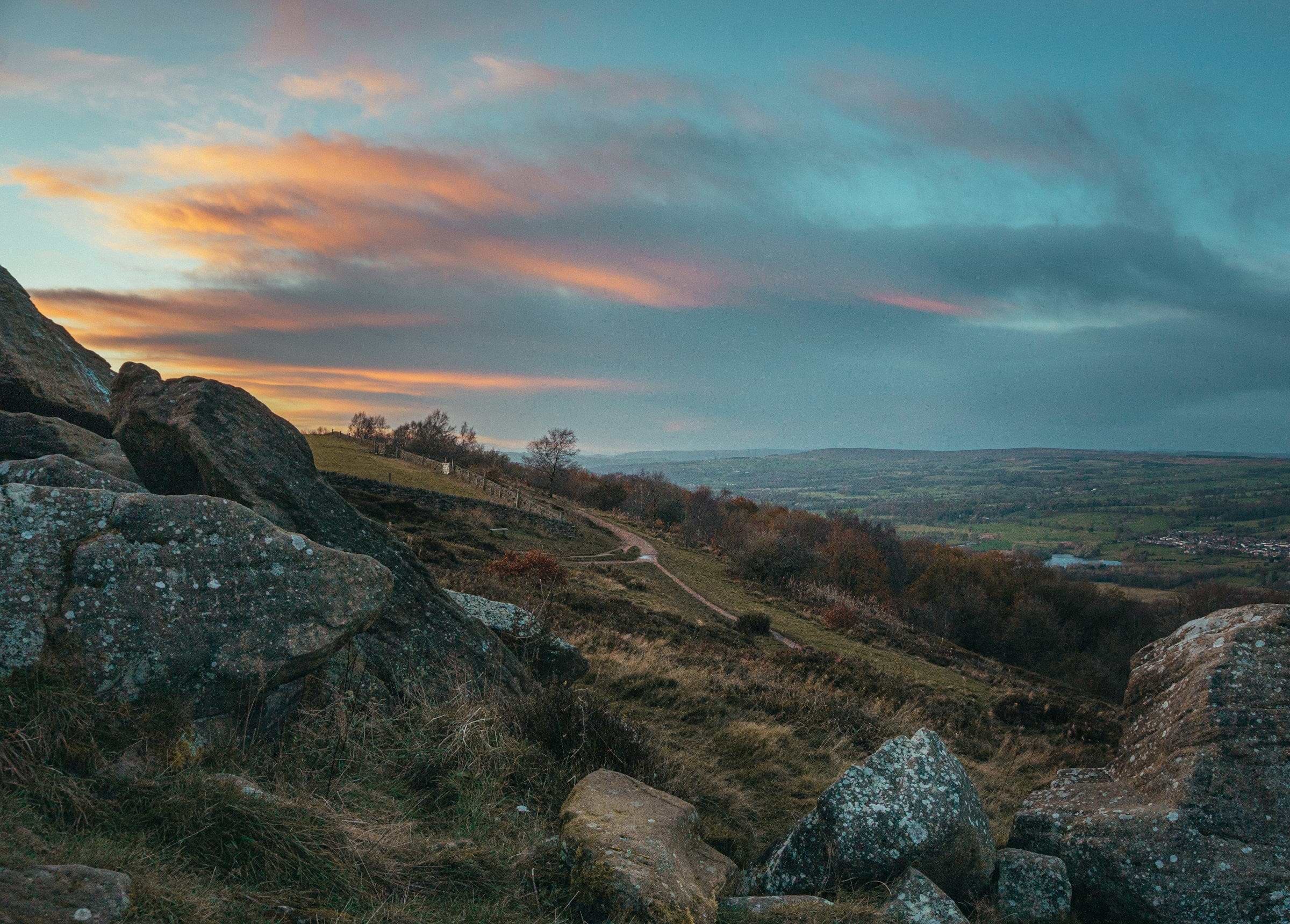
First things first: choosing your first trail. Start with something manageable - a short loop, 3-5km, on fairly flat, well-used paths is perfect. Country parks, nature reserves and popular walking routes are ideal because they’re easy to follow, pretty forgiving underfoot and a lot less intimidating than disappearing off into the wilderness on day one.
Look for trails with clear signage and decent footing - nothing too technical or remote for your first few runs. The aim early on is to build confidence, not test your nerve. Plenty of running apps and websites let you filter by difficulty, so use them to find beginner-friendly routes near you. Trail running Facebook groups and local running clubs are also brilliant resources.
A bit of common-sense safety goes a long way, too. Let someone know where you’re heading and roughly when you’ll be back, especially if you're heading somewhere remote. Take your phone (make sure it’s fully charged!), a splash of water and a couple of plasters. If you’re heading out early doors or later in the day, wear something bright or reflective - and a head torch if it’s gloomy.
And don’t rush it. Trail running works different muscles, and the uneven ground slows everyone down - even seasoned runners. Enjoy the scenery, take your time, and let your body adjust to the new demands.
Trail running essentials

Getting kitted out for trail running doesn't have to be complicated, but a few smart choices make all the difference between a brilliant run and a miserable slog.
Clothing
Think light, breathable layers you can peel on and off as you go. Start with a technical base layer that pulls sweat away from your skin, add a lightweight mid-layer if it's cold, then finish with a lightweight jacket (like the Craven) to fend off wind and surprise showers. British weather loves to keep you guessing, so anything packable you can stuff into a small running vest or tie round your waist is a winner.
Are running socks worth it? Absolutely. Trails make your feet work harder, so decent socks help keep blisters at bay, move moisture away and cushion the bits that need it most. Go for smooth seams, a bit of arch support and fabrics like merino or technical synthetics. Your toes will thank you after a few muddy miles.
Merino hiking socks like TOG24’s Trek pair are a solid shout for mixed trail days, offering cushioned zones and built-in arch support.
Footwear
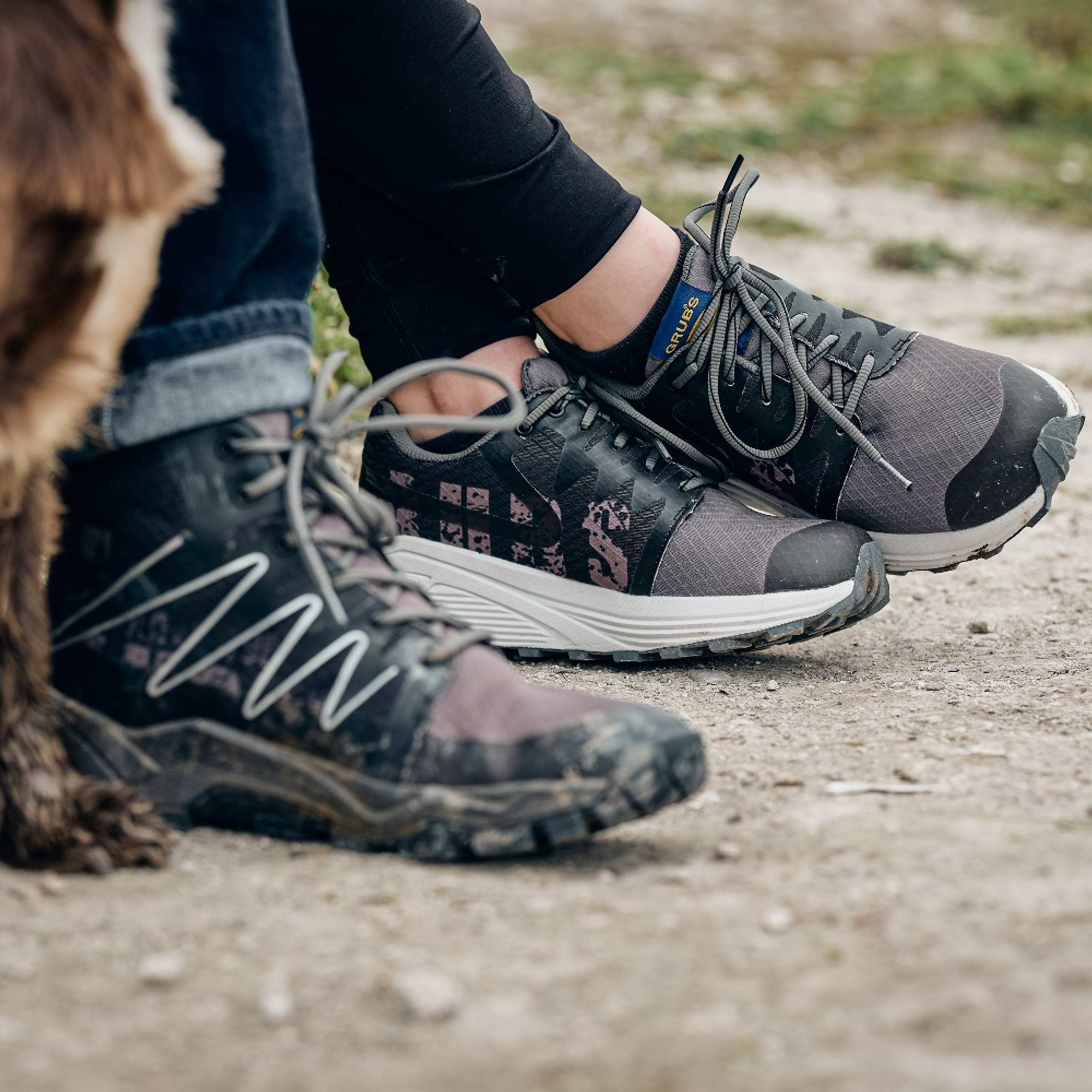
Trail running shoes are built for muddy paths, rocky tracks and everything in between. With grippy soles, reinforced toes and more support through the sole, they keep you steady and protected when the ground gets uneven. If you’re planning to run off-road regularly, they’re well worth the investment.
That being said, are trail running shoes good for hiking? 100% yes - especially if you like to move at a decent pace. They’re lighter and more flexible than traditional walking boots, dry quicker, and feel far less clunky on longer routes, which is why walkers across the world are switching to them.
If you’re just finding your feet, a solid pair of walking boots will still do the job for slower trail runs and walk-run sessions. They offer extra support and confidence on technical ground, and a well-cared-for pair will see you through hundreds of miles before you decide if trail shoes are your next move.
Gear
You don’t need to load yourself up like you’re heading on an expedition, but a few well-chosen bits make all the difference. A lightweight running vest or small hydration pack is perfect for carrying water, snacks and the essentials. Go for one with handy pockets for your phone and keys, plus space to stash a packable jacket.
Running early or late? A head torch is a must. It lights the way ahead, keeps your hands free and makes you far more visible when the light drops.
If you’re exploring new routes, don’t rely on your phone alone. Signal can disappear quicker than you’d think once you’re off the beaten track. A simple map, a GPS app and a basic compass are cheap insurance if you're venturing further afield.
Trail Running Techniques
Trail running plays by different rules than pounding the pavement - it requires different techniques to stay safe, efficient, and injury-free.
Uphill
Shorten your stride, lean forward slightly from the ankles, and use your arms for momentum. When it gets properly steep, there’s no shame in walking - even seasoned trail runners switch to a power hike on tough climbs. It's about maintaining a steady effort, not forcing a pace that'll burn you out halfway up.
Downhill
This is where trail running gets fun - and slightly terrifying at first! Keep your knees slightly bent, lean back just a touch and let gravity do some of the work. Look a few metres ahead so you can pick your running line, and go for short, quick steps rather than big bounding strides. You’ll feel far more in control, especially on loose or steep ground.
Obstacles
Roots, rocks, streams and boggy bits come as standard. The key is to stay light on your feet, keep your eyes scanning ahead and lift your knees a little higher than you would running on the road. Don’t be shy about using your hands for balance or support when you need to.
Mud deserves a special mention because it's unavoidable in the UK. Accept that you're going to get muddy, commit to your footing, and don't tiptoe - confident steps grip better than hesitant ones. If a puddle looks deep, go around it, but if it looks shallow… well, that’s part of the fun!
Trail running tips for hikers
If you're already a keen hiker wondering how to prepare for a hike that involves a bit of running, or you're curious about mixing the two, trail running is a brilliant progression. Start by adding short running intervals to your usual walks - jog the flat or downhill sections, walk the uphills, and gradually increase the running portions as you build confidence.
How to train for a hike that's more challenging than usual? Trail running builds the cardiovascular fitness, leg strength, and coordination you need for long or steep hikes. It's one of the best ways to prepare your body for sustained effort on uneven ground.
The beauty of trail running for hikers is that you already know the terrain, understand the importance of proper footwear, and respect the outdoors - you're just picking up the pace.
Trail running etiquette and safety
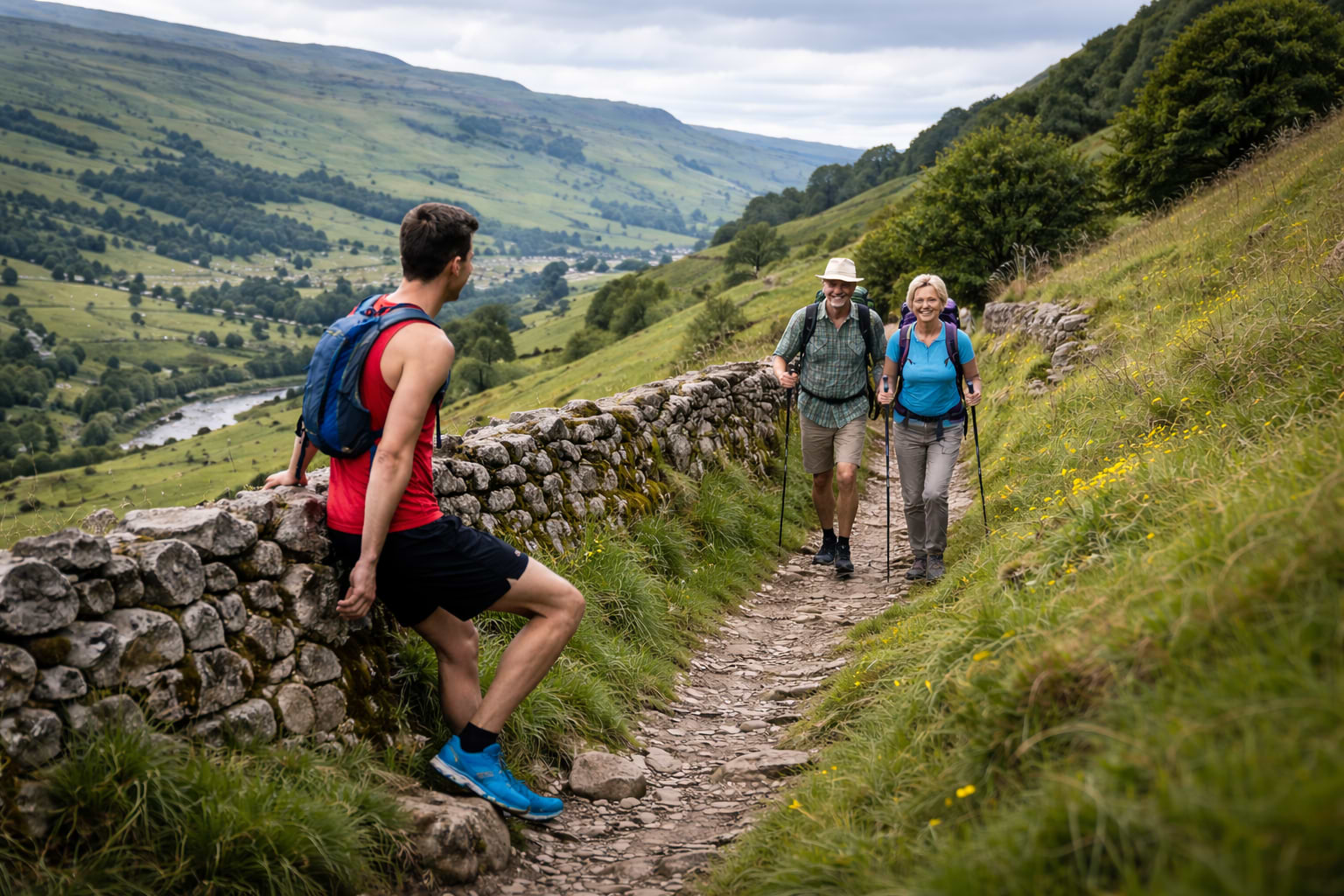
Trail running means sharing space with walkers, cyclists, horse riders, dogs, sheep, and the odd surprised pheasant. A little courtesy goes a long way.
-
Give way where needed: On narrow paths, slow it down and step aside for walkers - you’re the quicker one, so it’s easier for you to move. A simple “morning” or “cheers” makes a big difference, and if you’re coming up behind someone, a quick heads-up helps avoid any jump scares.
-
Stick to the path: Keep to waymarked routes, avoid cutting corners and don’t trample the edges. Trails are maintained by volunteers and landowners, so respecting them keeps the routes in good nick. Muddy sections? Run through the puddles rather than skirting around and widening the path.
-
Leave no trace: If it came with you, it leaves with you. Gel wrappers, bottles and snack packaging all go back in your pack. Running with a dog? Keep them close and be mindful around livestock and nesting birds.
-
Know your limits: A sudden storm or an unexpected ankle twist miles from help can ruin your day. Listen to your body and don’t be afraid to head home early.
Trails > tarmac, every time. Ditch the same-old park loop and get lost in the good kind of way - fresh air, hills, mud, and scenery included.
Ready to kit yourself out for the hills? Check out our range of outdoor clothing, walking boots, and running essentials to keep you comfy, protected, and ready for whatever the trails throw at you.
For more tips on getting the most from your adventures, pop over to our TOG blog, where we’ve recently covered everything from keeping your gym clothes clean and smell-free (invaluable advice for all budding trail runners) to the best waterproof jackets for men and women - including the all-important lightweight, packable option for those longer runs.
